Our Story
Matha means canoe in Yorta Yorta language.
A canoe carries people, knowledge, stories and responsibilities. It connects Country and Community, crosses waters and navigates changing currents — always moving toward a shared horizon.
That spirit guides Matha.
Born from a relationship between Aboriginal and Māori peoples, and between two distinct Treaty journeys, Matha brings Indigenous knowledge, leadership and solidarity together to shape what comes next.
Across Australia, Aotearoa and internationally, we work across the Treaty and self-determination ecosystem — creating space for new relationships, Indigenous-to-Indigenous diplomacy, strategic exchange, collective leadership and nation building.
Pull quote: Matha connects worlds and cultures through relationships — enabling shared learning, collaboration, innovation and collective problem-solving across the Tasman.
Treaty creates an opportunity to build new ways of working. As governments, institutions and communities reconsider their relationships with First Peoples, new spaces are needed to exchange experiences, test ideas, build capability and imagine beyond the limits of existing systems.
Matha exists because transformation is a collective journey. It requires us to bring our peoples, knowledges, cultures, relationships and political intelligence together — and move forward, together.
Our Approach
Baparra — The Middle Space
Baparra, the middle space, is at the heart of Matha. This is where transformation begins.
It is where people come together to build a different kind of relationship of respect, reciprocity, moral and civic vision.
Baparra creates the conditions for First Peoples, governments, institutions and communities to navigate complexity, build trust and shape our futures.
For Matha, relationships are our strength. Baparra is where we bring people together to turn relationships into the conditions for change.
Matha works in the middle space as:
Convenors — bringing the right people together to build relationships, shared purpose and collective action.
Brokers — navigating interests, power, and complexity across cultures, communities, governments and institutions.
Advisors — bringing cultural authority, political intelligence and strategic expertise to complex challenges.
Facilitators — creating the conditions for truth, dialogue, understanding and meaningful agreement.
Builders — turning relationships, vision and agreement into stronger leadership, institutions and pathways for change.
Our People
The Collective Behind Matha
Matha brings together people with diverse experience, knowledge and expertise.
We are Indigenous led and draw on strong networks of cultural leaders, political thinkers, practitioners, negotiators and specialists.
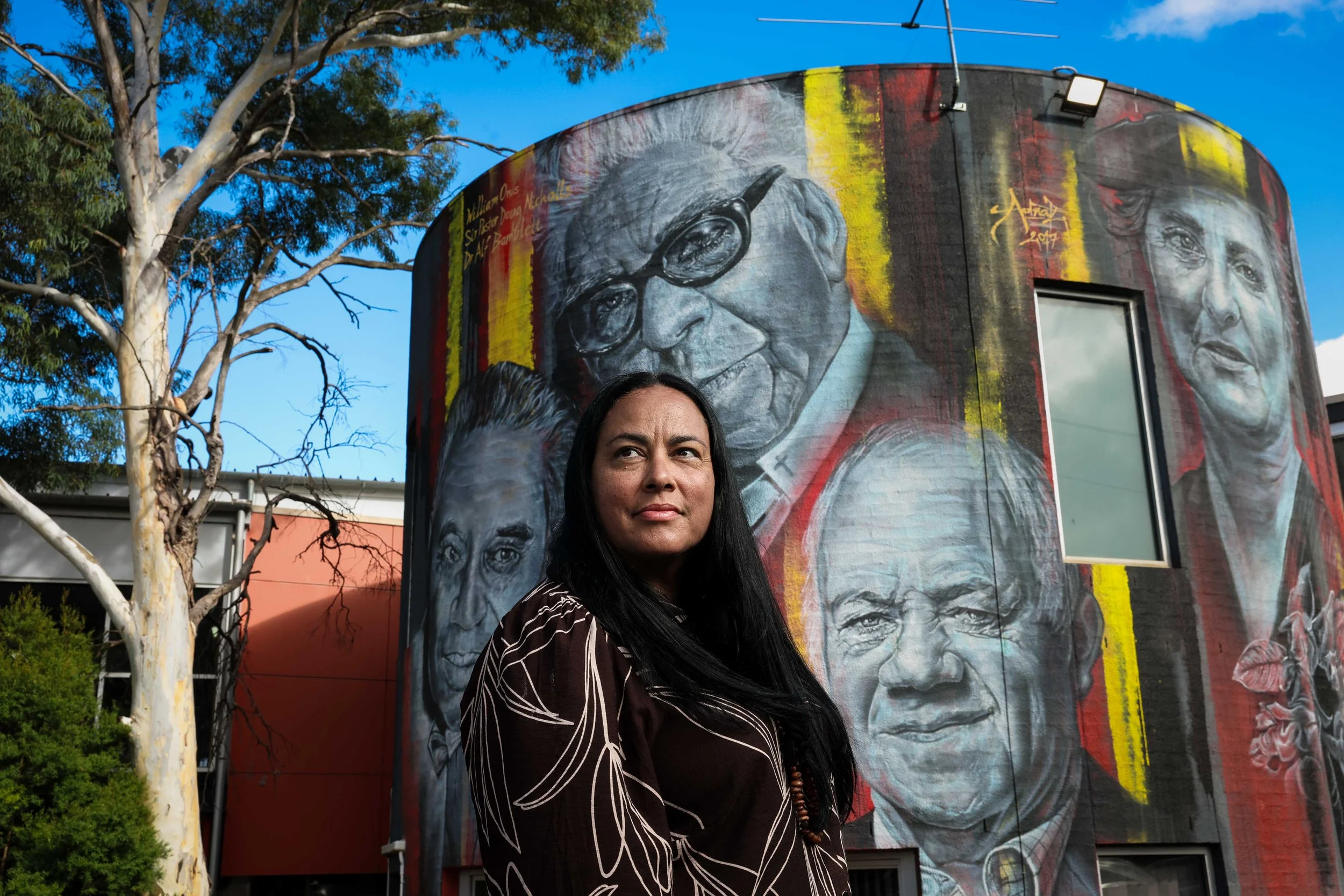
Ngarra Murray
(Wamba Wamba, Yorta Yorta, Dja Dja Wurrung and Dhudhuroa)
Raised on Yorta Yorta Country in Shepparton, Ngarra comes from a strong cultural, political and sporting family.
Ngarra is a First Nations leader and highly regarded Treaty expert bringing deep, lived expertise in the design, negotiation and advancement of Treaty.
As former Co-chair, and inaugural member of the First Peoples' Assembly of Victoria (2019–2026), Lead Negotiator, and a signatory to Australia's very first treaty, Ngarra played a central leadership role in shaping Australia's most advanced treaty process.
As Co-chair, Ngarra provided steady, principled leadership during a defining period in Victoria's history, helping to shape the structures, processes, and relationships required for treaty negotiations between First Peoples and the State.
Beyond Victoria, Ngarra has contributed to international Indigenous engagement through her work with the Assembly and Oxfam Australia, recognising her long-standing relationships and shared experiences of Indigenous peoples globally.
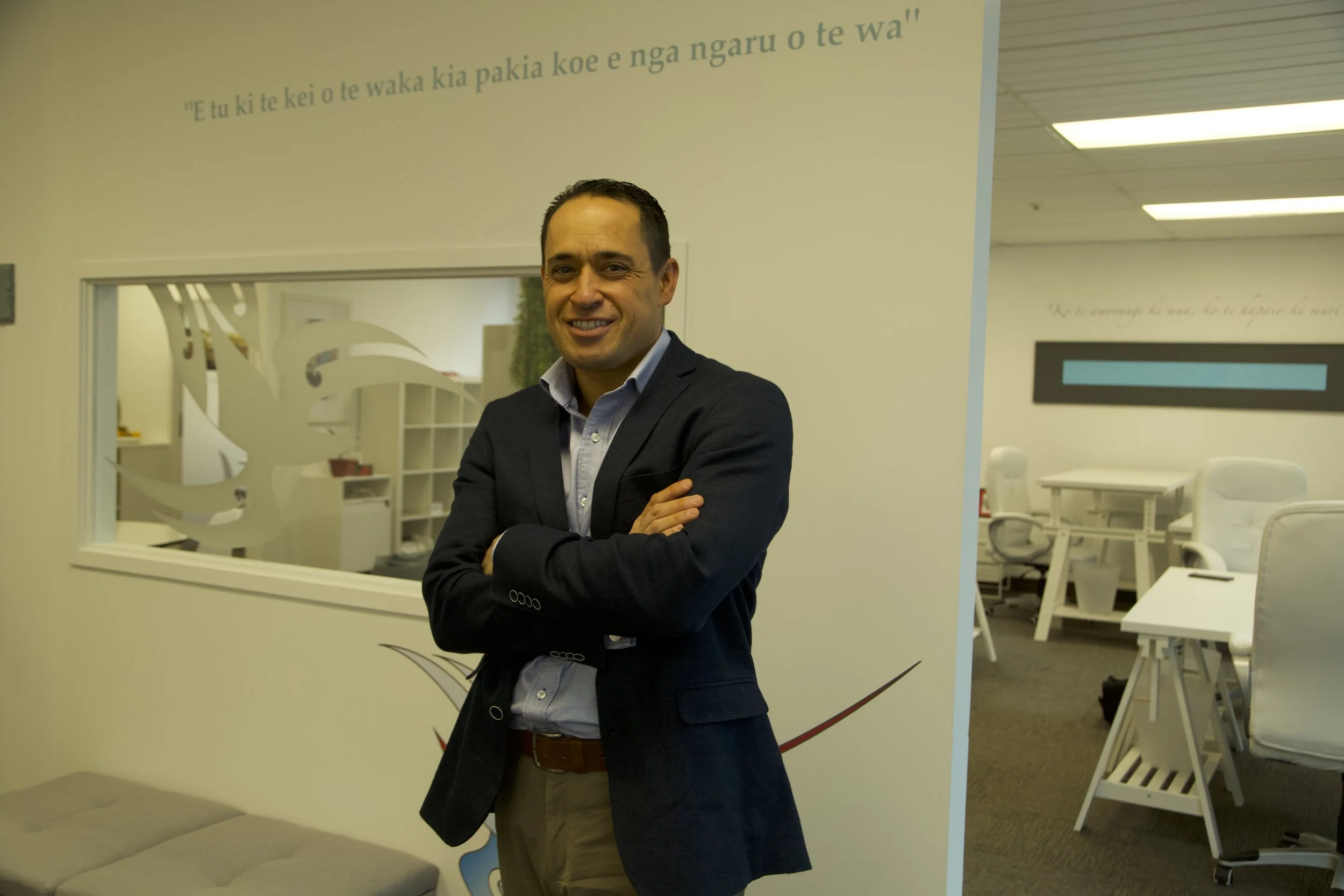
Te Rau Kupenga (Ngāti Porou)
Te Rau is a highly respected Māori legal and public sector leader with a distinguished career in executive government roles, governance across Iwi and national institutions, and a deep commitment to Māori knowledge and advancement through both policy and leadership.
After graduating from Auckland University with an LLB, Te Rau practiced law in Auckland and Wellington, specialising in litigation. From 2005 to 2017, Te Rau held a number of senior executive roles across government, including Deputy Secretary for the Environment, and Deputy Chief Executive roles at the Ministry of Education and the Ministry of Housing and Urban Development.
In 2017, Te Rau founded Te Amokura Consultants, a Māori professional services and consulting firm working across government, as well as the private sector, to create better outcomes for Māori.
Te Rau's leadership is deeply informed by his culture, and in 2016, Te Rau co-authored Mauri Ora — Wisdom from the Māori world.